
Posts
 https://inovakademi.com/wp-content/uploads/2026/10/Dijital-Urun-Pasaportu-DPP-scaled.jpg
1898
2560
Gökhan Erol
https://inovakademi.com/wp-content/uploads/2020/05/logo-2-300x138.png
Gökhan Erol2026-10-12 07:42:572026-10-12 07:52:41Digital Product Passport (DPP) Consumer Interface Tests
 https://inovakademi.com/wp-content/uploads/2026/09/greenwashing.png
426
732
Gökhan Erol
https://inovakademi.com/wp-content/uploads/2020/05/logo-2-300x138.png
Gökhan Erol2026-09-28 08:19:082026-09-28 08:36:29Greenwashing Regulations: ECGT Directive and Rules of 2026
 https://inovakademi.com/wp-content/uploads/2026/09/TUBITAK-1832-Sanayide-Yesil-Donusum-Destegi-Nedir.png
937
1136
Gökhan Erol
https://inovakademi.com/wp-content/uploads/2020/05/logo-2-300x138.png
Gökhan Erol2026-09-21 06:55:072026-09-21 07:10:20TÜBİTAK 1832 What is Green Transformation Support in Industry?
 https://inovakademi.com/wp-content/uploads/2026/08/Iran-Krizi.png
768
1408
Gökhan Erol
https://inovakademi.com/wp-content/uploads/2020/05/logo-2-300x138.png
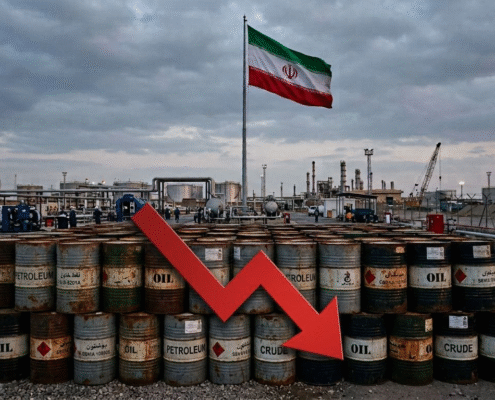
Gökhan Erol2026-08-18 06:38:142026-08-18 06:53:06Iran Crisis and Rising Oil Prices
 https://inovakademi.com/wp-content/uploads/2026/08/AB-Ambalaj-ve-Ambalaj-Atiklari-Tuzugu-PPWR.png
720
1440
Gökhan Erol
https://inovakademi.com/wp-content/uploads/2020/05/logo-2-300x138.png
Gökhan Erol2026-08-04 07:44:562026-09-17 12:32:26EU Packaging and Packaging Wastes Regulation (PPWR)
 https://inovakademi.com/wp-content/uploads/2026/02/Gemini_Generated_Image_wuhfvtwuhfvtwuhf.png
2048
2048
Gökhan Erol
https://inovakademi.com/wp-content/uploads/2020/05/logo-2-300x138.png
Gökhan Erol2026-02-02 09:29:002026-09-17 07:57:15Digital Product Passport New Key to Introduction to the European Market
 https://inovakademi.com/wp-content/uploads/2026/01/Gemini_Generated_Image_tu7fmwtu7fmwtu7f.png
1536
2816
Gökhan Erol
https://inovakademi.com/wp-content/uploads/2020/05/logo-2-300x138.png
Gökhan Erol2026-01-10 14:57:062026-01-12 06:39:51Digital Product Passport
 https://inovakademi.com/wp-content/uploads/2025/10/Resmi-Gazete.jpg
778
776
Gökhan Erol
https://inovakademi.com/wp-content/uploads/2020/05/logo-2-300x138.png
Gökhan Erol2025-10-06 06:47:502025-10-06 07:46:39Corporate Sustainability Reporting Principles
 https://inovakademi.com/wp-content/uploads/2025/09/ship-drydock-scaled.jpg
1707
2560
Gökhan Erol
https://inovakademi.com/wp-content/uploads/2020/05/logo-2-300x138.png
Gökhan Erol2025-09-29 06:41:172025-09-29 07:19:54Global Maritime: UNCTAD Warns
 https://inovakademi.com/wp-content/uploads/2025/06/WhatsApp-Image-2025-06-08-at-14.44.14.jpeg
1024
1536
Gökhan Erol
https://inovakademi.com/wp-content/uploads/2020/05/logo-2-300x138.png
Gökhan Erol2025-06-16 07:36:572025-06-16 07:39:03Climate Change in Foreign Trade
 https://inovakademi.com/wp-content/uploads/2024/11/co2-scaled.jpg
2362
2560
Gökhan Erol
https://inovakademi.com/wp-content/uploads/2020/05/logo-2-300x138.png
Gökhan Erol2024-11-18 12:41:262024-11-18 12:59:49Carbon Border Adjustment Mechanism (CBAM)
 https://inovakademi.com/wp-content/uploads/2024/02/environment-education-day-concept-scaled.jpg
2551
2560
Gökhan Erol
https://inovakademi.com/wp-content/uploads/2020/05/logo-2-300x138.png
Gökhan Erol2024-02-19 14:40:442024-02-19 15:01:11Artificial Intelligence and Green Transformation

